Agents, part 1: how agents work and how much autonomy a task needs
What is an agent, how does it work under the hood, and how much autonomy does my task need?
Paper notes, news, and longer essays outside the curriculum.
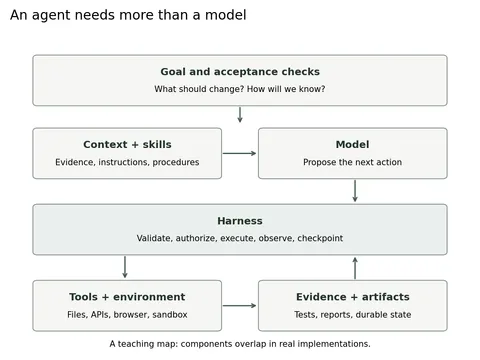 New to agentsAgents, part 1: how agents work and how much autonomy a task needsWhat is an agent, how does it work under the hood, and how much autonomy does my task need?
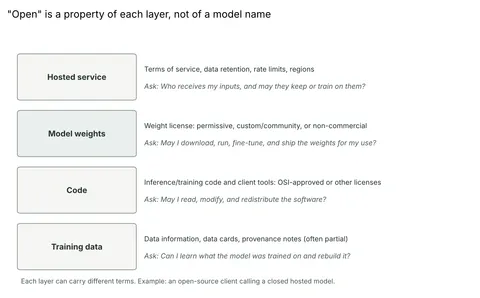 Choosing or evaluating a modelChoosing models: reading benchmarks, licenses and evidenceHow do I read the evidence about a model and choose one for my task?
Choose a topic to filter the list. Series appear in reading order.
How agents work, how to build and operate them, and how to choose tools and workflows.
What is an agent, how does it work under the hood, and how much autonomy does my task need?
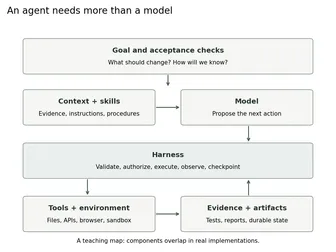
How do I package a procedure and build a loop whose completion I can verify?
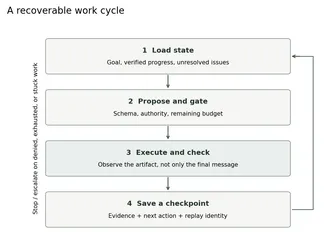
How do I run an agent day to day: sessions, permissions, skills, memory, schedules, recovery and observability?
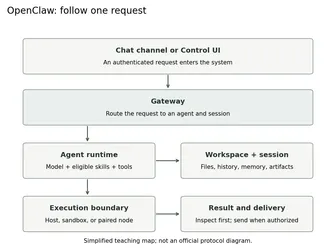
Which kind of agent tool fits my work, and how do I compare candidates fairly?
How do I design the path from a request to a result someone can use and trust?
Read benchmarks, licenses and evidence, and run your own model evaluation.
How do I read the evidence about a model and choose one for my task?
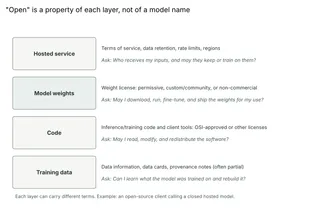
How image generators work and how to test them for a real deliverable.
Which image-generation system fits my deliverable, and how do I test it before committing?
Motion, control, evaluation and the cost of usable footage.
Which video-generation system fits my shot, and how do I compare systems on footage I can actually use?
Introductions and notes about Pixels → Perception.
A bilingual place to study image processing, machine learning, and the ideas behind them through explanations, code, and interactive experiments.
What this site covers, how the tutorials are organized, and how to run the code.